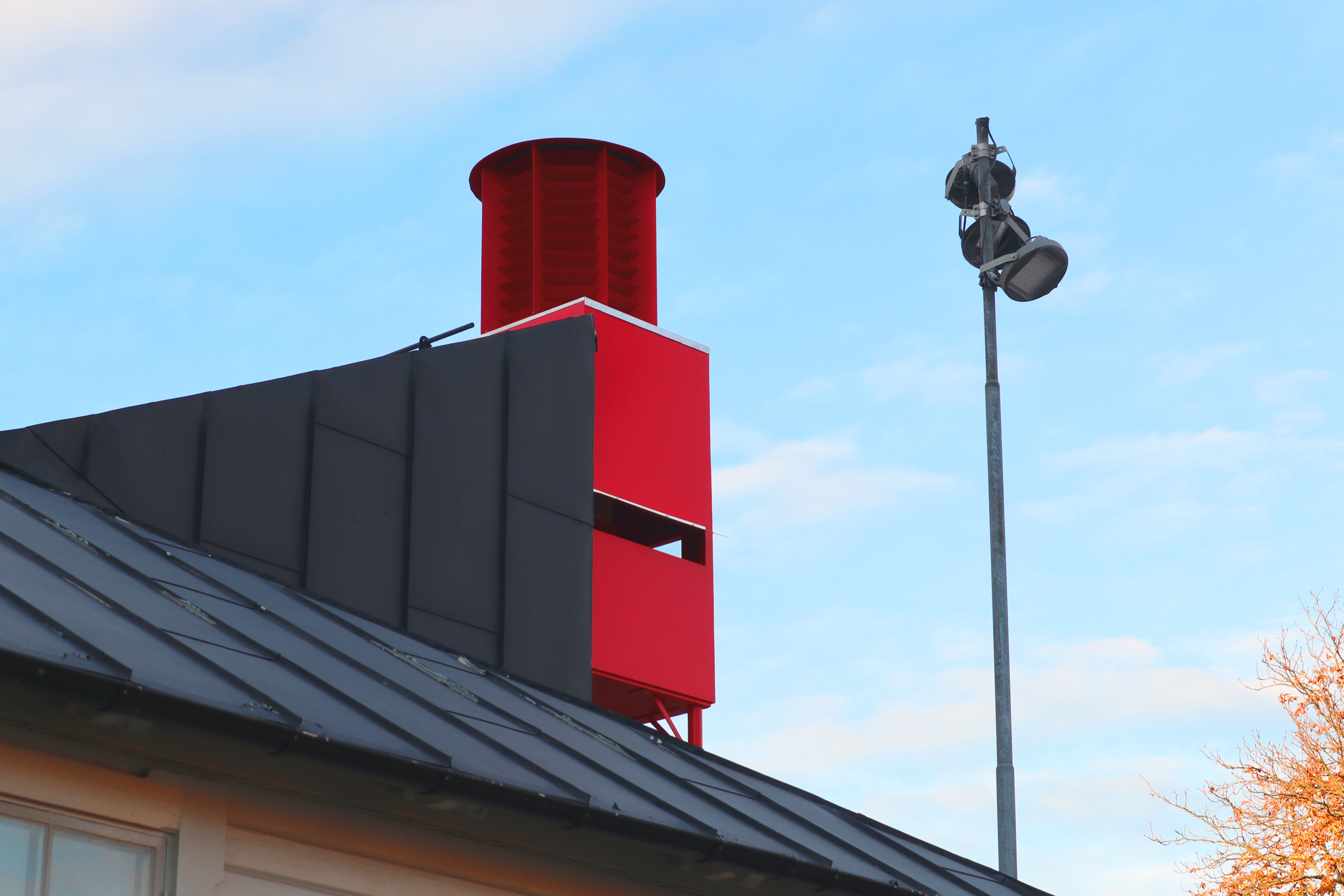
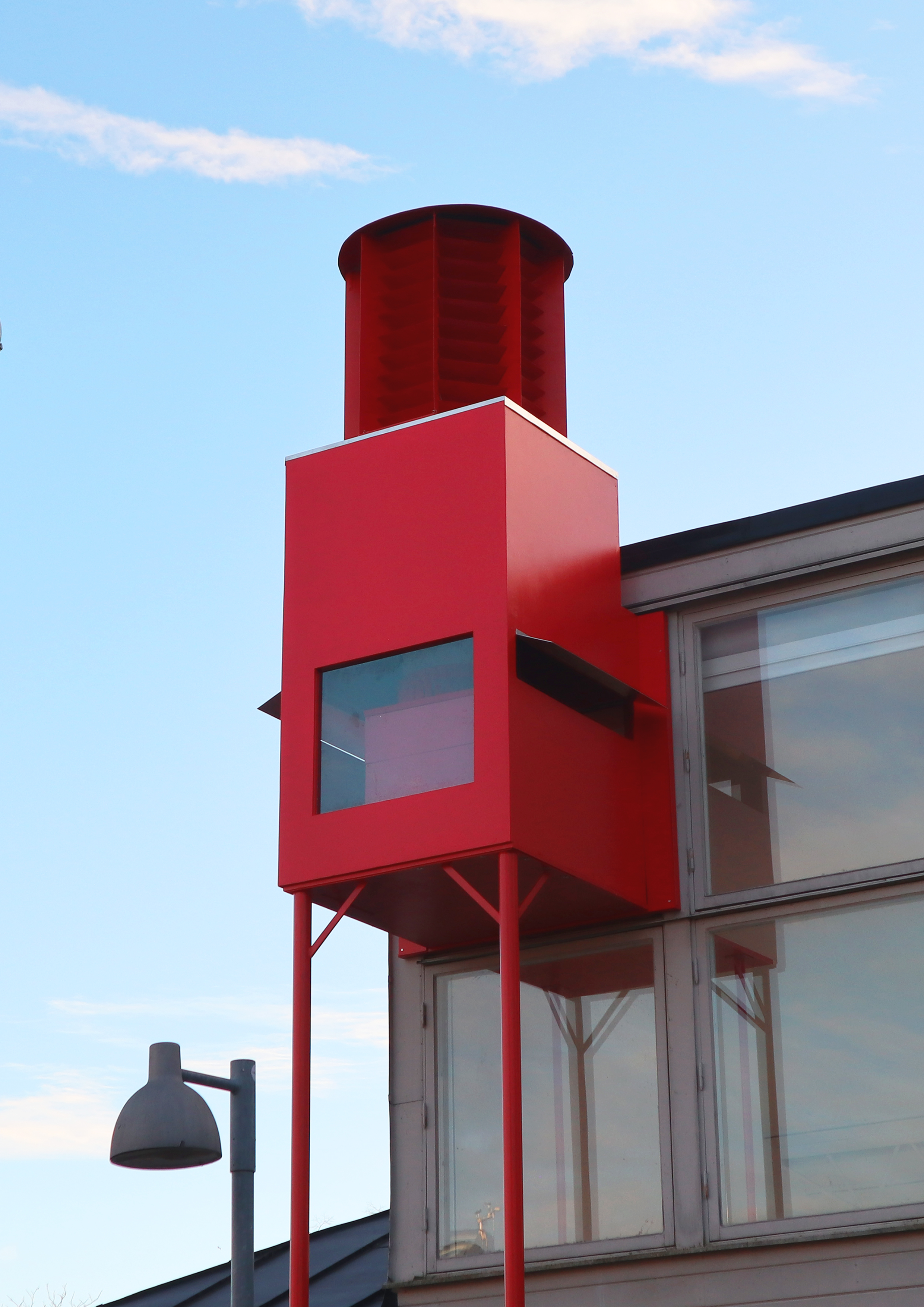
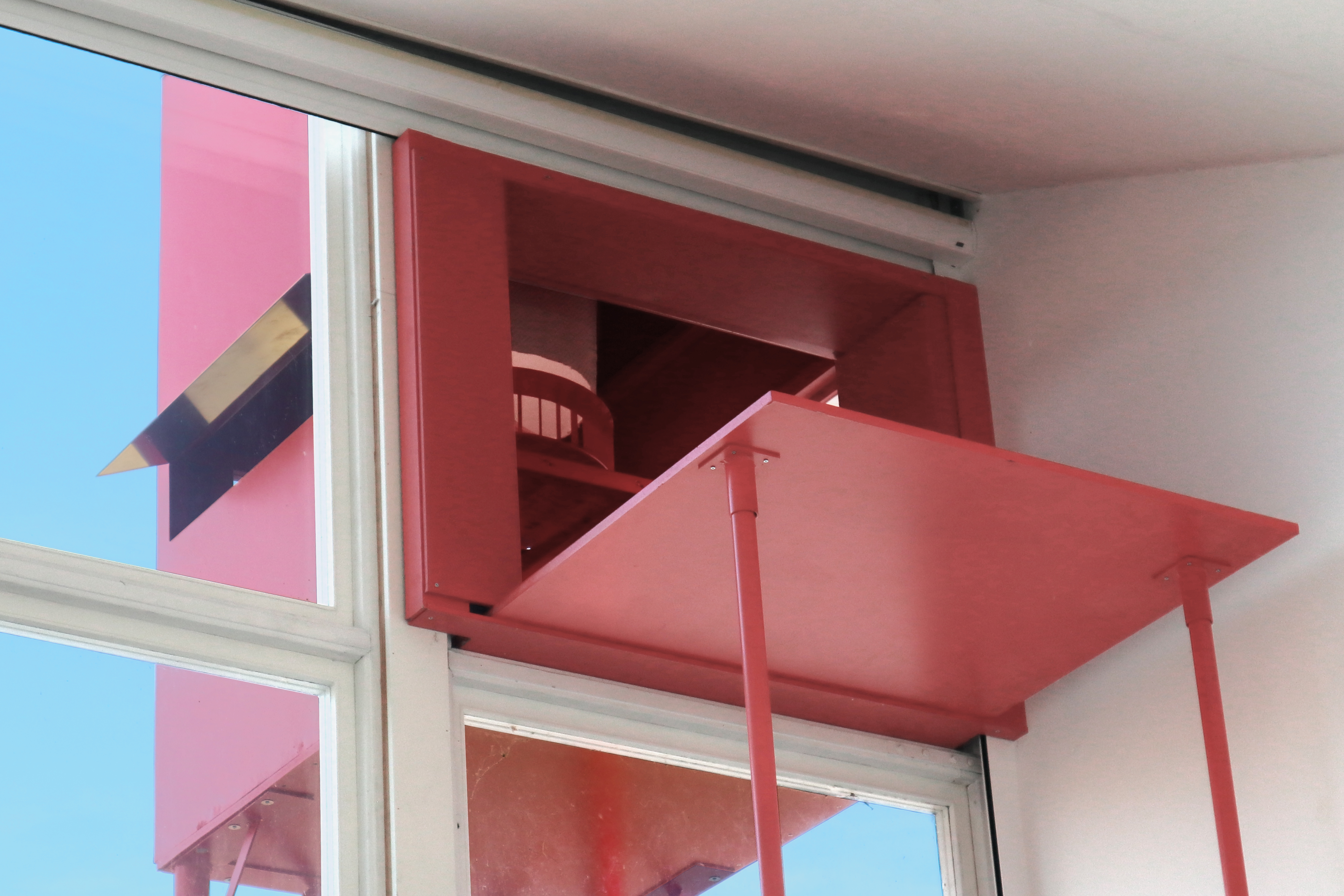
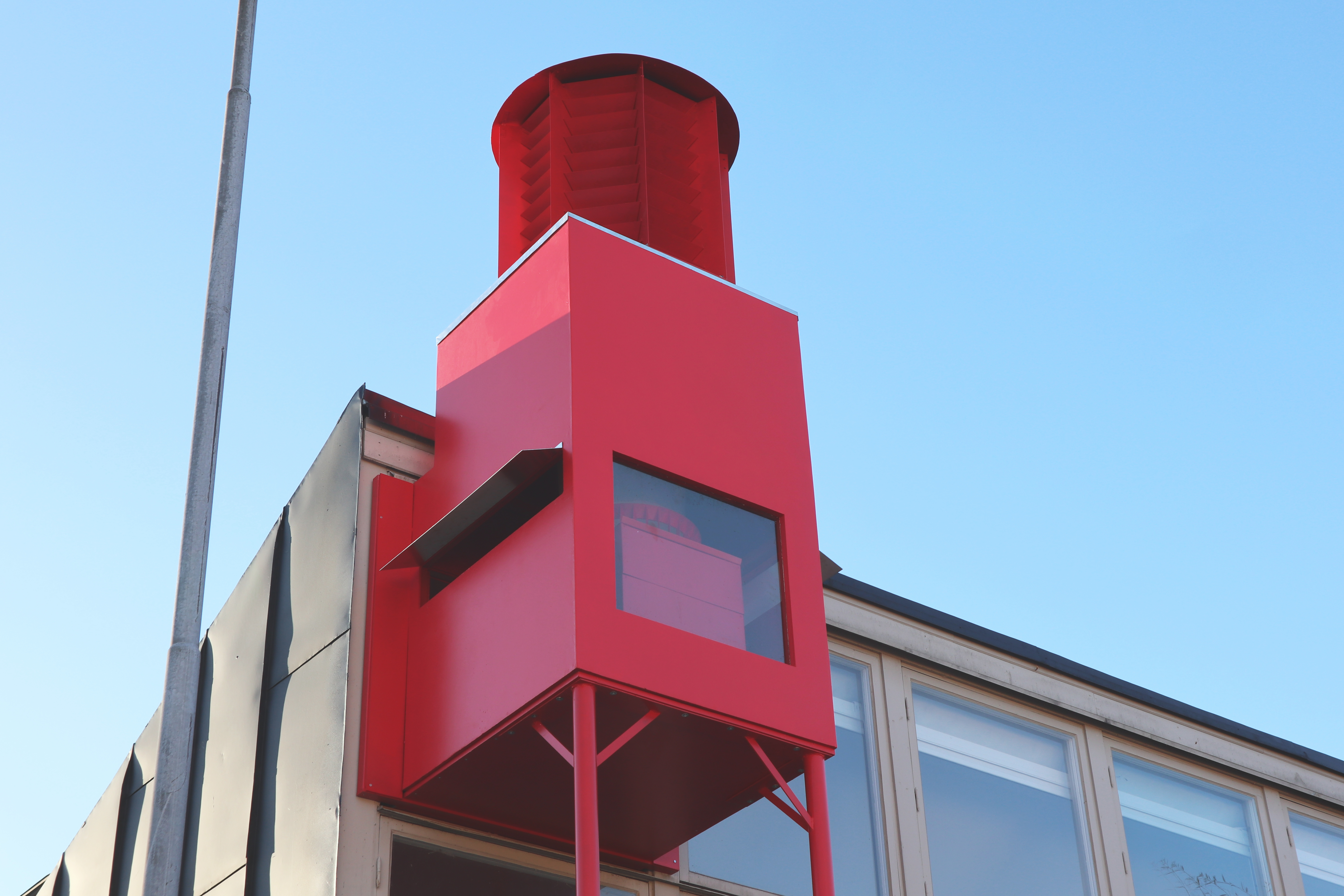
‘Turbine’ is
a work that harnesses the power of the wind to produce electricity to charge a
battery. It uses an octagonal omnidirectional wind capture device based on a design from the
18th century that allows wind to be captured in urban environments (where wind
direction is not constant). This work came from a desire to be able to produce
electricity as a means to question the monopoly of the production of
electricity held by large energy companies and the state.
Fecundity is basically the opposite to monopoly. Here’s the definition:
nounnoun: fecundity
the ability to produce many new ideas. "the immense fecundity of his imagination made a profound impact on European literature"
Capitlism, when left unchecked, has a tendency towards monopoly, or uniformity, and that’s a bad thing because it will inevitably lead to totalitarianism. Also it’s boring. I want to live in a world with spesifisity and diveristy. It’s fun, and exciting, and possibly one of the things that gives us the greatist sence of Being in the world. And that’s great to have. A feeling that you are living with and within the culture you collectivly built with others. It gives us a sence of collective comunity, and with it power through collective agentcy.
If you have collective agentcy and the ability to come together to solve problems on the level of the comunity, rather than feeling compleatly powerless as an invididual, then you can find, through novel, spontaneous and experimental channels solustions to problems that benafit the spersific geographical location and it’s population. For too long we have receded into the self, if we want to solve spesfic problems, like climate change, we need produce
electricity as a means to question the monopoly of production held by large energy companies and the state. We need to, as a socitey, divest from centrlization and embrace a, in the words of the late Americn social theorist Murray Bookchin; “dynamic unity of diversity”.
You can read about this in Bookchin‘s book The Ecology of Freedom: The Emergence and Dissolution of Hierarchy. I think it’s perticully relevent now as we are living, defently in the UK, under austerity – somehthing that kills fecundity. The book shows how a lack of diversity is dangrious for socity, and how we use idilogical frameworks to simplify the world and make sence of the reality we inhabit, but indoing so it governs us to ignore the symbiotic way things work together, in turn making us function in a compleatly disfuntional mannor. There is a great bit on bees on page 92 “The purpose of the hive is to create more bees. The honey that animals
and people acquire from it is a natural largesse; within the ecosystem,
bees are adapted more to meeting plant reproductive needs by spreading
pollen than to meeting important animal needs. The analogy between a
beehive and a society, an analogy social theorists have often found too
irresistible to avoid, is a striking commentary on the extent to which
our visions of nature are shaped by self-serving social interests.”
I could write more about this but I think it’s time to move on, if you are intrested I’d also recomend Paul Collier’s Left Behind: A New Economics For Neglected Places – pertically the bit on Xi Jinping and Post-Communist China.
So back to ‘Turbine.’ It’s
a work that harnesses the power of the wind to produce electricity to charge a
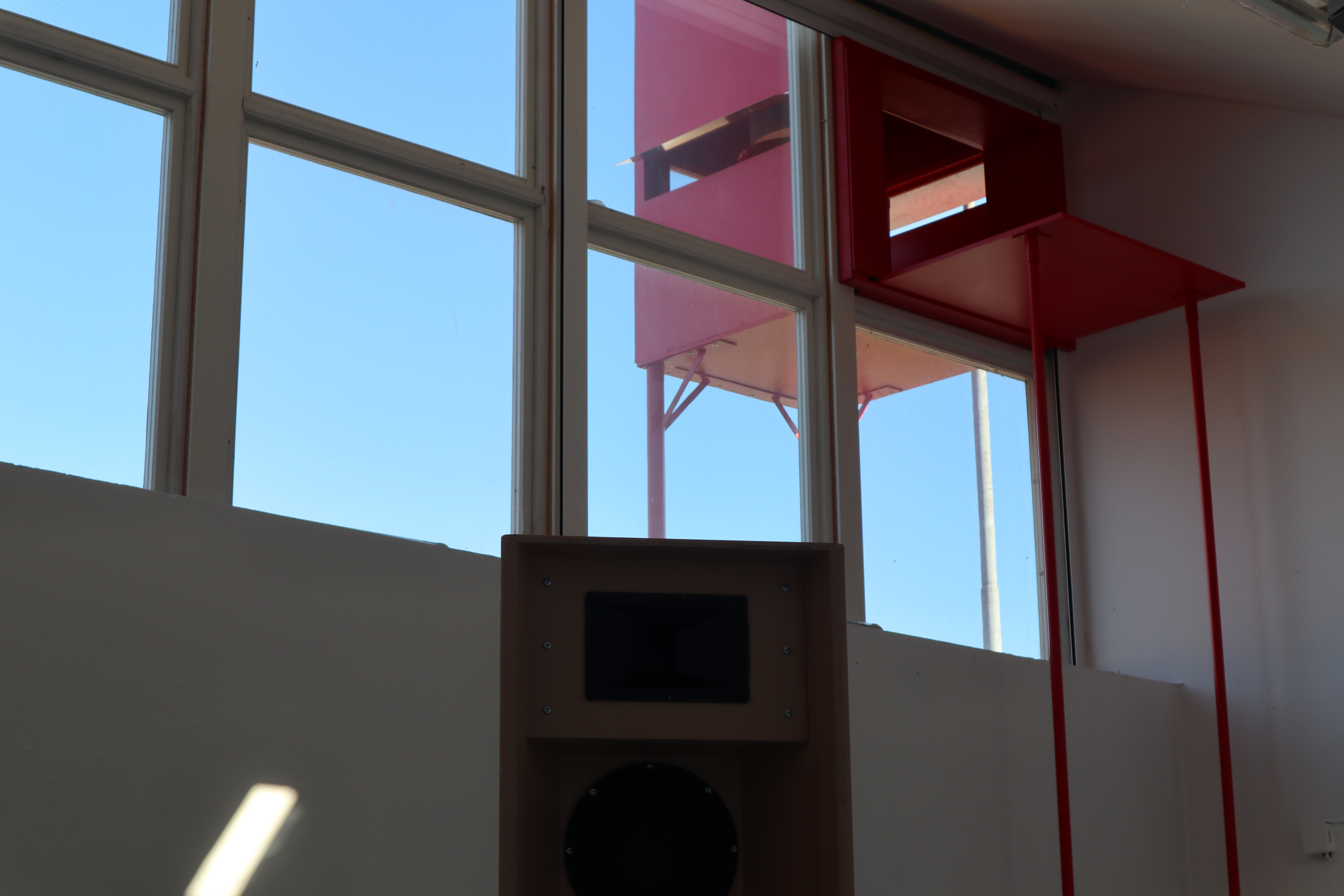
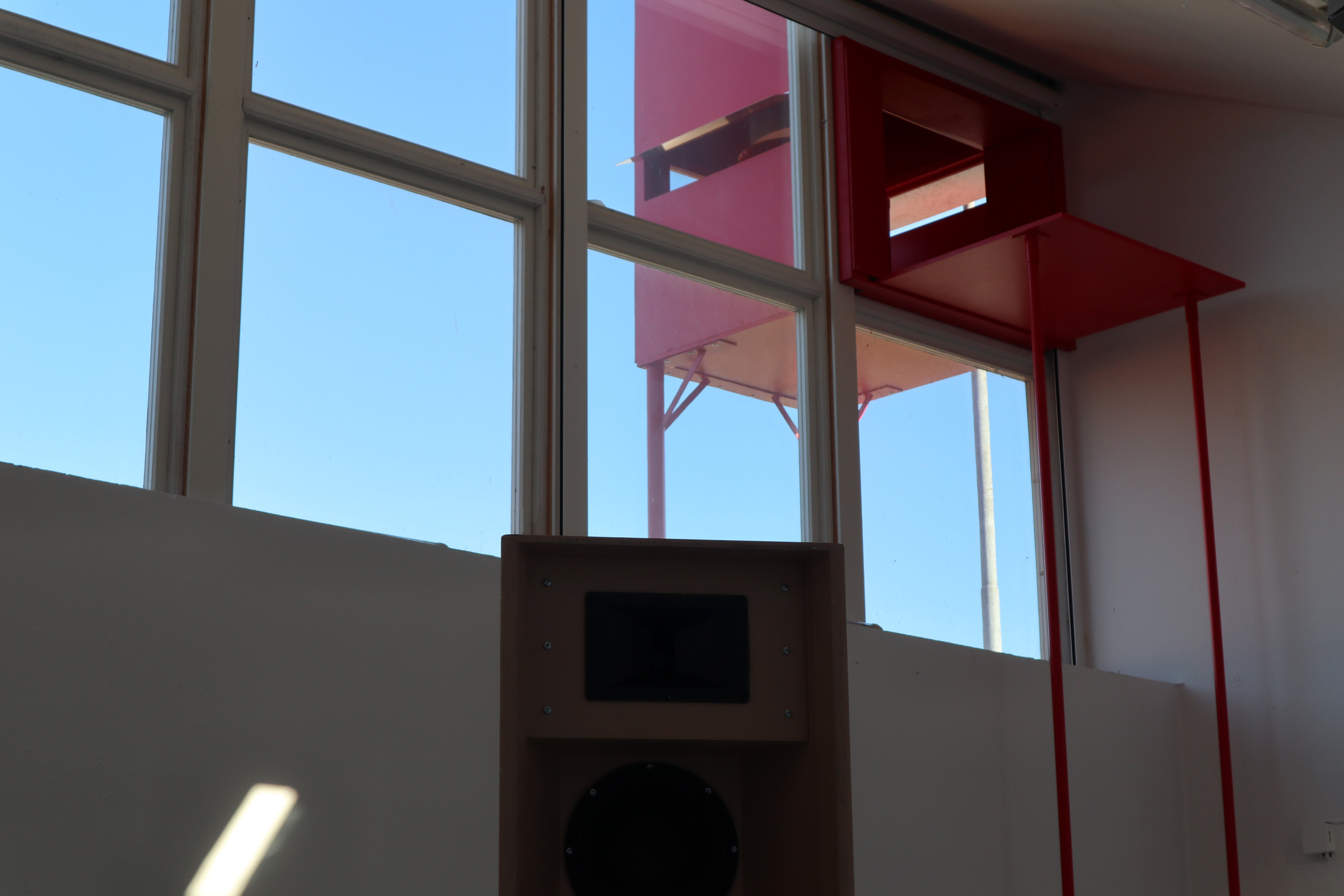
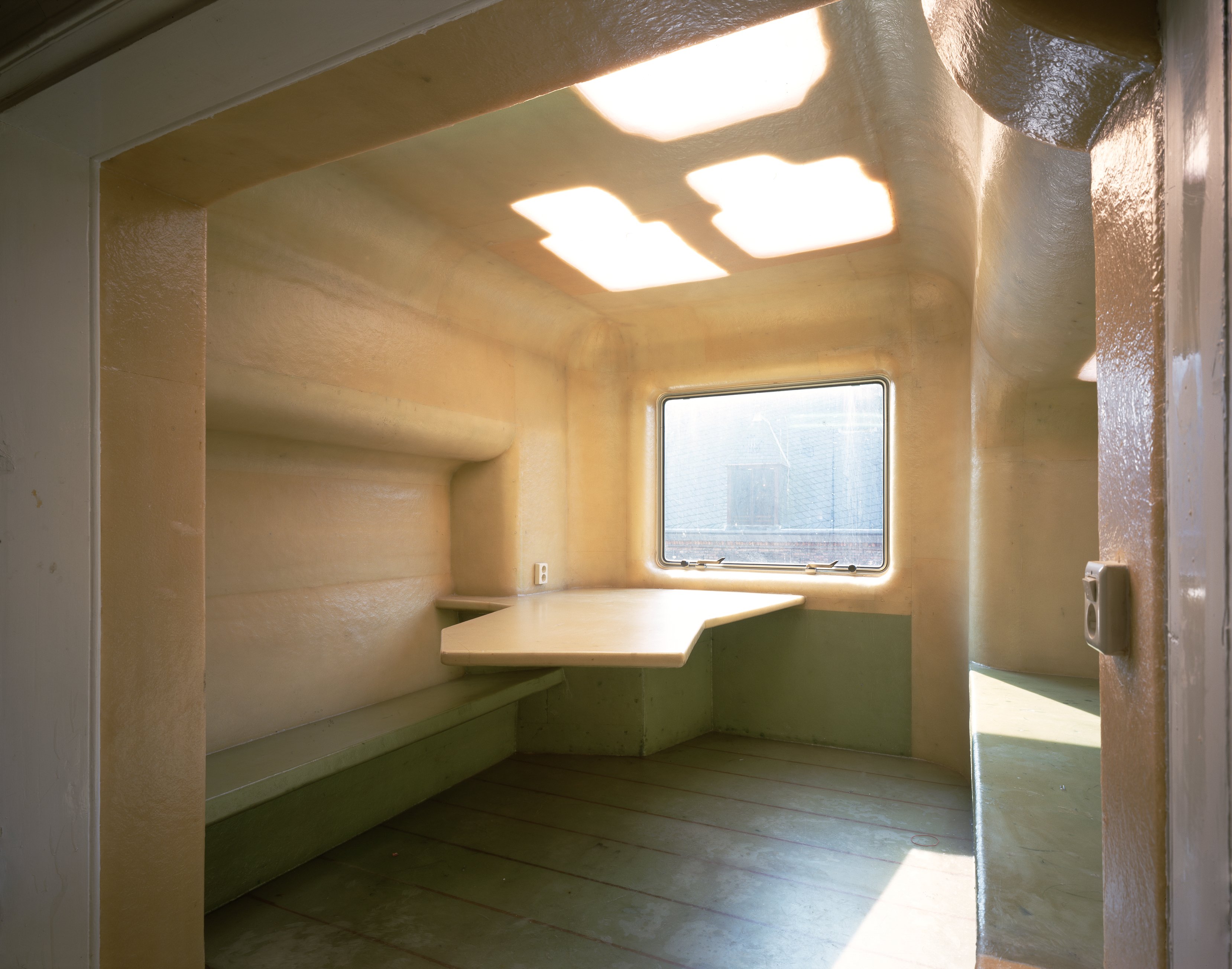
battery. I’d wanted to do this for a few years didn’t have the oppatunity or time, to put this together. When I realized that I was going to exhibit at Galleri Mejan I became really excited by the windows in the space. They are this amazing double square line. I like the idea that art can function in a exhibition space but also with it. I wanted to use them somehow. At the time I’d been really into Atelier Van Lieshout and their modular works. Here are some images of the 1997 work ‘Clip-On’ at the Centraal Museum in Utrecht. I love it!
As I have mentioned before, there is this great quote my Marx, it’s my current favirioute and I have Bookchin to thank as it’s thought his writing I was turned into it: “The tradition[s] of
the dead generations weigh like a nightmare on the brain of the living.” I think of archtecture as something from the past that has servived and permiates the present. It’s so waighted. That’s why I love London, because you are constantly confrunted by the past– it’s a compleate mess, and that’s really intresting. That’s something we can see. It’s harder to see idioly and tradition, but it exsists within us. Atelier Van Lieshout build directly ontop of this. It’s modular and compleatly aware, and reliant, of the historical context. Sometimes post-modern art forgets that and it becomes this white-cube space that exsists outside of the reality outside. That can work sometimes but for me I like to work with the space, to engage with it, and have my sculture become a modular part of it.
So I thought, if a house could have a modular extention that functioned to produce electristy what would it look like? And maybe more inportantly, how would it function? I guess if the gallery had been located near a river I’d have loved to construct a water wheel, but what I had to work with was the wind, and these fantasticly large windows.
It uses an octagonal omnidirectional wind capture device based on a design by Erasmus Darwin from the
18th century that allows wind to be captured in urban environments (where wind
direction is not constant).
Erasmus Darwin Drawing
I got turned onto this idea by Robert Murray-Smith, a battery delevper turned YouTuber. He’s fantastic and really enspiring, so please do go online and check him out. This is a link to a project he did on the Darwin wind capture device:
In the persuit of something becoming ubiquitous, and a comodity (such as sugar or flower..) a technoligy goes through a tranformation in our collective consiousness in socity and the wider body politic. This is brought about in the form of language with a consept of what a thing, or technoligy, is, being cungered up in our mind. This itomized way of thinking stops us being able to see things for how they truly are, making us see the world as a series of things that can be itomized and exploted for profit. But this way of thinking is problimatic because it stops us being able to think diffrently. There is somethign the late American antropoligistDavid
Graeber wrote that I find explains this consept quite effectavlly; “the ultimate hidden truth of the world is that it is something we
make and could just as easily make differently.”