>Heidegger Game_2024
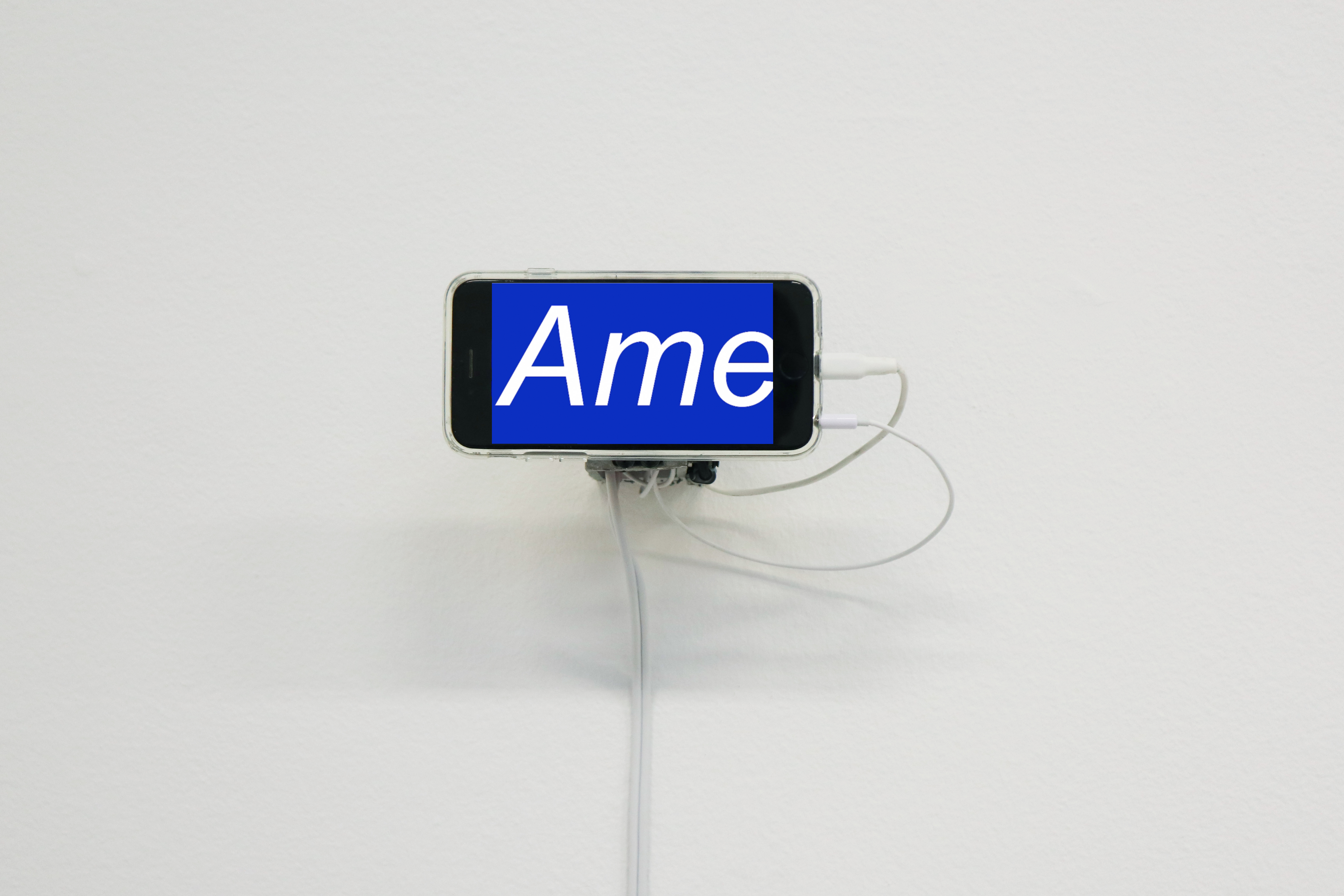
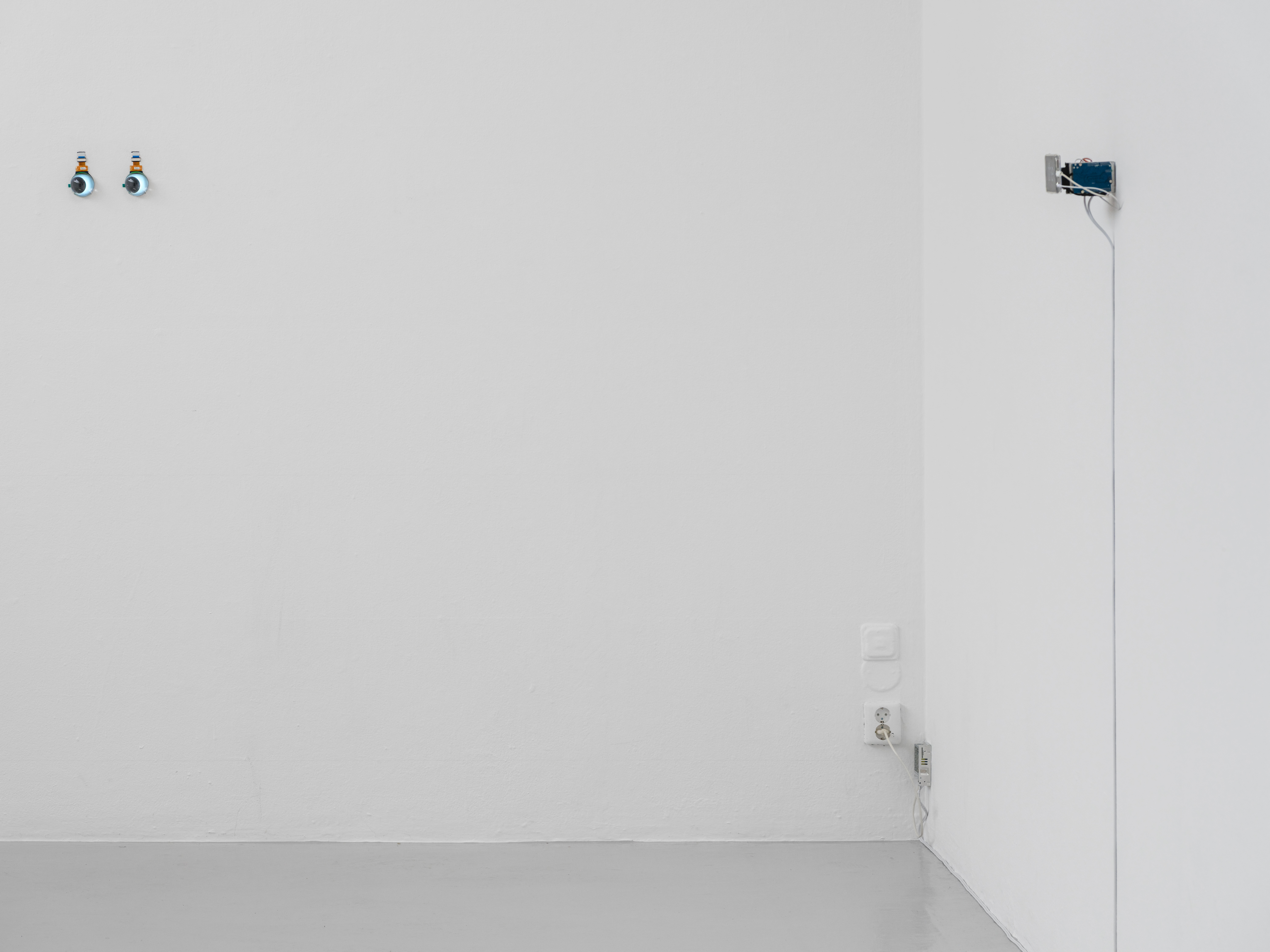
Video (17:34), motor, Arduino, iPhone
*this work rotates from portrait to landscape*
>IG

Shown as part
of No One Is Bored,
Everything Is Boring, Galleri Mejan, Stockholm, Sweden 🇸🇪.
This work emerged from a frustration with the inability to display a video that seamlessly switches between portrait and landscape. It’s a development on the system I made for my work Sorry Keys, where a signal encoded within the video triggers a motor behind the phone, which rotates the screen in sync with the footage, enabling mixed-orientation display. This led to the creation of a text-based video work Henry that utilizes an
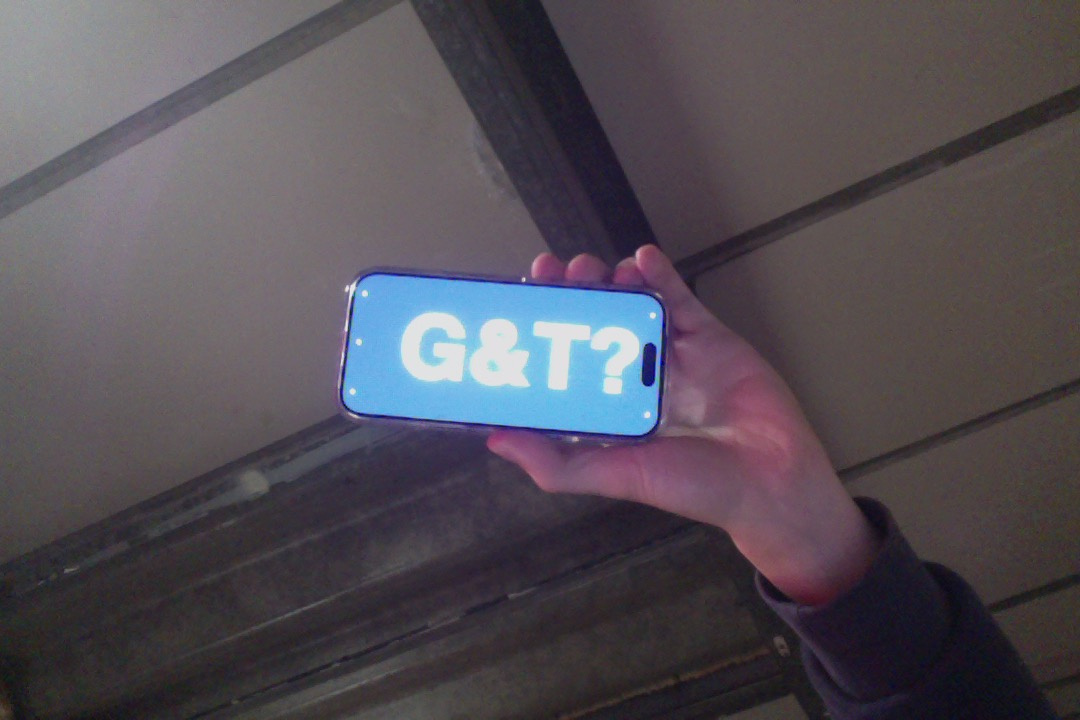
app popular among chauffeurs, taxi drivers, and more recently,
clubgoers, to display scrolling text on mobile screens. You might hold
it up in the club and have a conversation across a loud room ....WANT ANYTHING FROM THE BAR.... ....G&T.... ....NO PROBLEM... I saw this happening, and thought it might be a good way to tell a story.
The text in this piece, from the same show as Henry and Sorry Keys, humorously engages with Heidegger through a game I made up after reading about his ideas about function.
Video documentation:
Here is the text:There’s this great bit in the American movie Melvin Goes to
Dinner, it comically details an aspect of the human brain and our ability to
block things out.
Here’s something interesting about smoking. If I shot off a
gun, or if I banged on some trash cans all of a sudden, your brain would be
like: what the fuck was that?
If you shot off a gun?
Yeah, or if I made any sudden loud noise
Just don’t do it right now, OK?
I won’t, but if I did, your brain would be like whoa!
Why do you keep imitating my brain?
Because it helps me tell a story. OK. If I did it a second
time, what do you think your brain would do?
My brain would say… Hey there’s that noise again.
That’s very good. That’s exactly what your brain would do.
OK. Normal brains adjust their response when a stimulus is repeated. It’s
called gating. If I was to measure it on an EEG there would be a big spike in
brain activity. Second time the spike would be a little bit smaller.
Schizophrenics can’t do this. Every time they hear the noise it’s like they’re
hearing it for the first time. It’s just as big. The world is constantly
jarring to them. Everything that happens to them, it’s like, what the fuck?
Even stuff that happened like two seconds ago. So, this one patient, a
schizophrenic, he’s smoking all these cigarettes while I’m running all these
tests on him and I realised he started gating his responses. And it turns out
it was the nicotine.
You’re kidding?
No. No. I tried to write it up, but no one would publish it.
My point was basically, if you’re schizophrenic, smoking might not be a bad
idea. My theory is anything that helps, you know? It’s like I think that living
day to day must be torture for them.
I’m not sure we’re that much better than they are?
Of course we are.
No. We tune everything out. We Just hear the things we want
to hear, and we tune out all the noise going on all around us because our brain
can’t process it. We tell ourselves it’s normal. It’s not normal.
We do this as a species.
Humans are great at it and it’s one of the ways we become institutionalised
into ways of Being.
![]()
Ideology is all-encompassing, and so abstract in its very
nature that it’s almost impossible to see.
It’s as if you’re a fish swimming in water, do you think the
fish knows it’s in water until it’s been taken out of the fishbowl? Ideology is
the same thing. We learn to see things as itemised objects with specific functions.
If I were to imitate the brain for a second; hey there’s that kettle
again. That’s the object for making a cup of tea. You don’t see the world
around you, but a series of things that can be measured, analysed and manipulated
for benefit.
But this framework for Being in the world can be shattered when a thing fails to function.
This loss of function reminds us of our sense of self, or Being because it forces us to see and
interact with the thing that’s been
stripped of its function for what it now is,
or maybe more importantly,
what it could be.
This momentary
shattering can show reality too for what it truly is – a construct.
I’ve made up a game to illustrate this concept.
Take an object. Let’s say a; kettle. Imagine that it loses its function
to heat up water.
What could this now be?
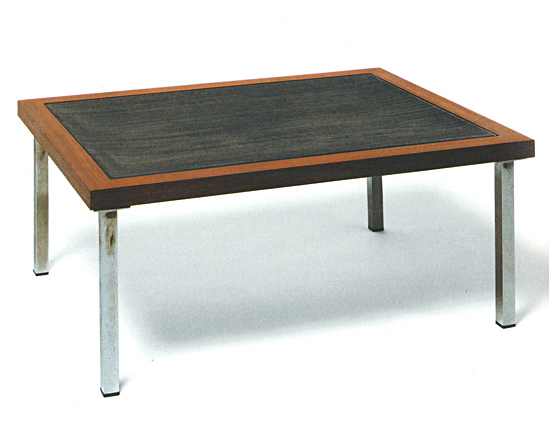
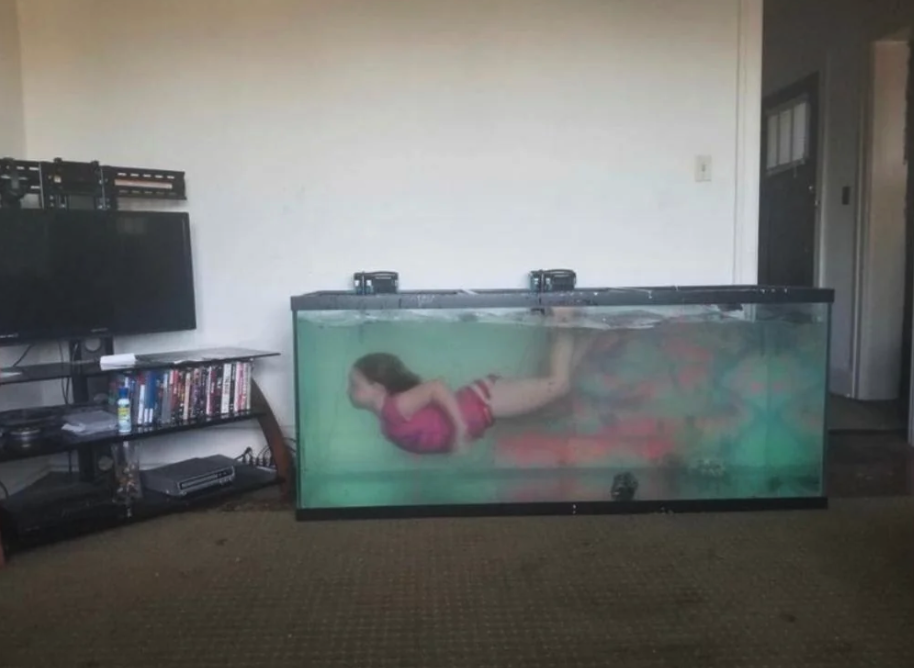
It could be a myriad of things, right?– a jug, a vase, a plant pot… even an elaborate fish tank...
Ok. Let’s say a vase. Now let’s imagine a new function for the vase.
Sooooooooooo, not holding flowers. It could be a paperweight.
And a paperweight could be a shot put.
And on.
And on.
And on.
And on.
Link to the game:
https://youtube.com/shorts/cUAXSsO838o?si=mEOhDsTkWJmzNSg9
I think we need to remind
ourselves that:
A framework for understanding our place in the world is a technology.
BUT - technology is
something we make, and just as easily could make differently.

Back<
Photo documentation:
![]()